Historic $1.5 Trillion Defense Budget Request: Implications and
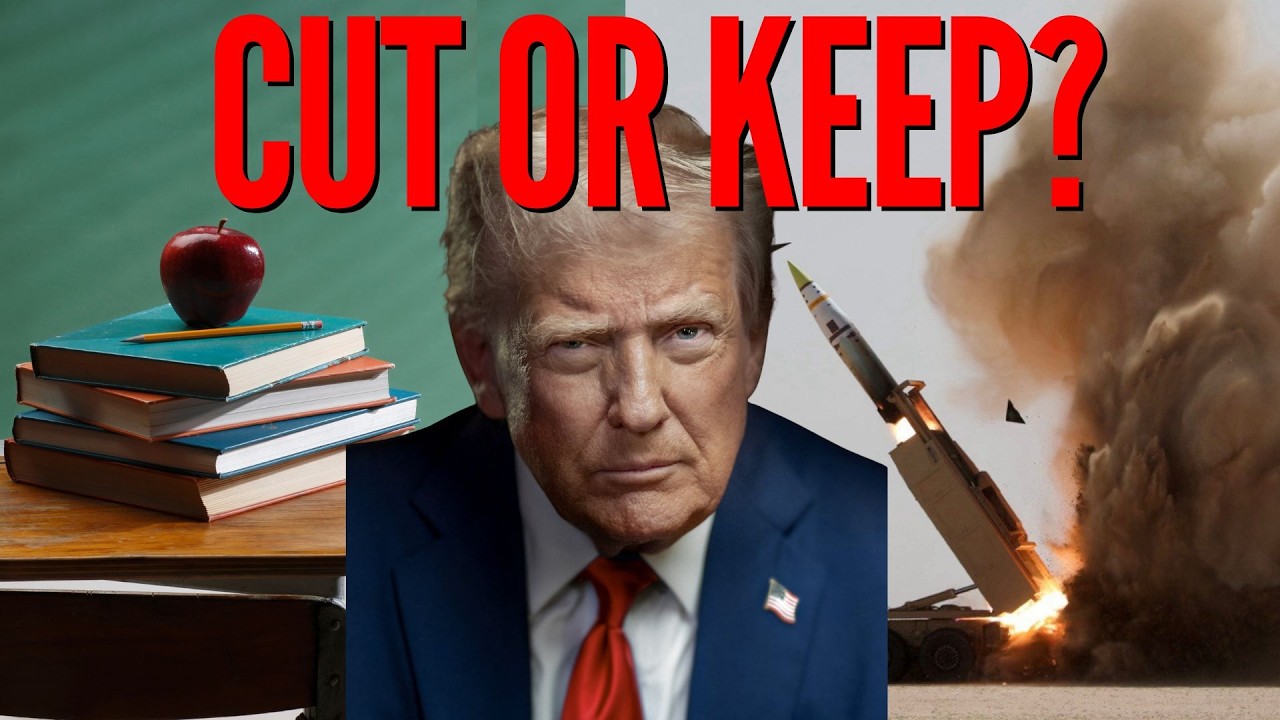
The White House has announced its intention to request **$1.5 trillion** for defense in **2027**, marking the highest level in modern history. This move is expe
Summary
The White House has announced its intention to request **$1.5 trillion** for defense in **2027**, marking the highest level in modern history. This move is expected to have significant implications for **US national security**, **fiscal policy**, and **global relations**. The request will be submitted to **Congress** for approval, where it is likely to face scrutiny and debate. The budget increase is reportedly driven by the need to counter emerging threats from **China** and **Russia**, as well as to modernize the **US military**. This development has sparked reactions from various stakeholders, including **lawmakers**, **defense experts**, and **international leaders**. For more context, see [[us-military|US Military]] and [[us-national-security|US National Security]]. The proposed budget increase has also raised questions about the potential impact on **US debt** and **fiscal sustainability**. As the request makes its way through Congress, it will be important to consider the perspectives of various stakeholders, including **taxpayers**, **veterans**, and **international allies**. For additional information, see [[us-debt|US Debt]] and [[fiscal-sustainability|Fiscal Sustainability]].
Key Takeaways
- The White House has requested $1.5 trillion for defense in 2027, the highest level in modern history
- The request is driven by the need to counter emerging threats from China and Russia
- The budget increase will have significant implications for US national security, fiscal policy, and global relations
- The request will be subject to scrutiny and debate in Congress
- The outcome of the request will have far-reaching consequences for US debt, economic stability, and global security
Balanced Perspective
The **$1.5 trillion** defense budget request is a significant ask that requires careful consideration by **Congress**. While it is true that the **US military** needs to modernize and counter emerging threats, it is also important to ensure that the budget is **fiscally responsible** and **aligned with US priorities**. The request should be evaluated in the context of the overall **US budget** and **fiscal policy**, taking into account the perspectives of **economists** and **fiscal experts**. As discussed in [[us-budget|US Budget]], the allocation of funds will have implications for various sectors, including **education** and **healthcare**. It is crucial to weigh the potential benefits against the potential costs and to consider alternative approaches to achieving **US national security** goals, such as **diplomacy** and **international cooperation**.
Optimistic View
The proposed **$1.5 trillion** defense budget request is a necessary investment in **US national security** and **global stability**. It will enable the **US military** to modernize and counter emerging threats from **China** and **Russia**. This move demonstrates the White House's commitment to **US leadership** and **global security**, as seen in the efforts of **US Secretary of Defense**. For more on this perspective, see [[us-secretary-of-defense|US Secretary of Defense]]. The increased funding will also create jobs and stimulate economic growth in the **defense industry**, which is a key sector in the **US economy**. As noted by **defense experts**, this investment will have long-term benefits for **US interests** and **global security**.
Critical View
The proposed **$1.5 trillion** defense budget request is a reckless and unsustainable increase that will exacerbate **US debt** and **fiscal instability**. It is a misguided attempt to address **US national security** concerns through military might alone, rather than investing in **diplomacy**, **international cooperation**, and **sustainable development**, as advocated by **peace activists** and **international organizations**. The request will also divert resources away from critical domestic priorities, such as **education**, **healthcare**, and **infrastructure**, which are essential for **US competitiveness** and **economic growth**. As warned by **economists**, this move will have negative consequences for **US economic stability** and **global security**, and will undermine **US leadership** and **credibility** on the world stage.
Source
Originally reported by Facebook